CBU CONCLUDES €173,000 CLIMATE CHANGE PROJECT.
CBU CONCLUDES €173,000 CLIMATE CHANGE PROJECT.
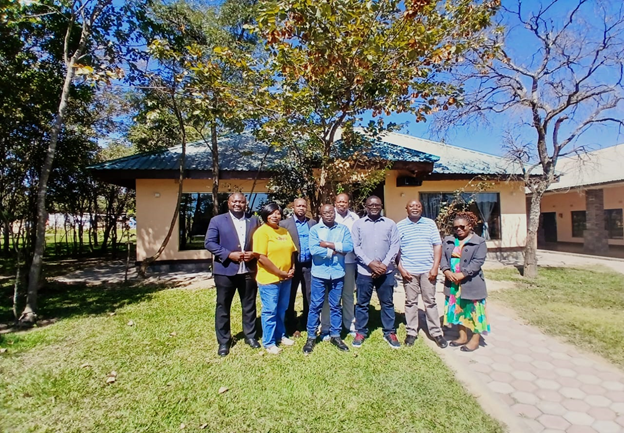
The Copperbelt University has successfully concluded the Enhancing Livelihoods and Natural Resource Management under Accelerated Climate Change (ELNAC), a €173,000 initiative implemented under the Southern African Science Service Centre for Climate Change and Adaptive Land Management (SASSCAL).
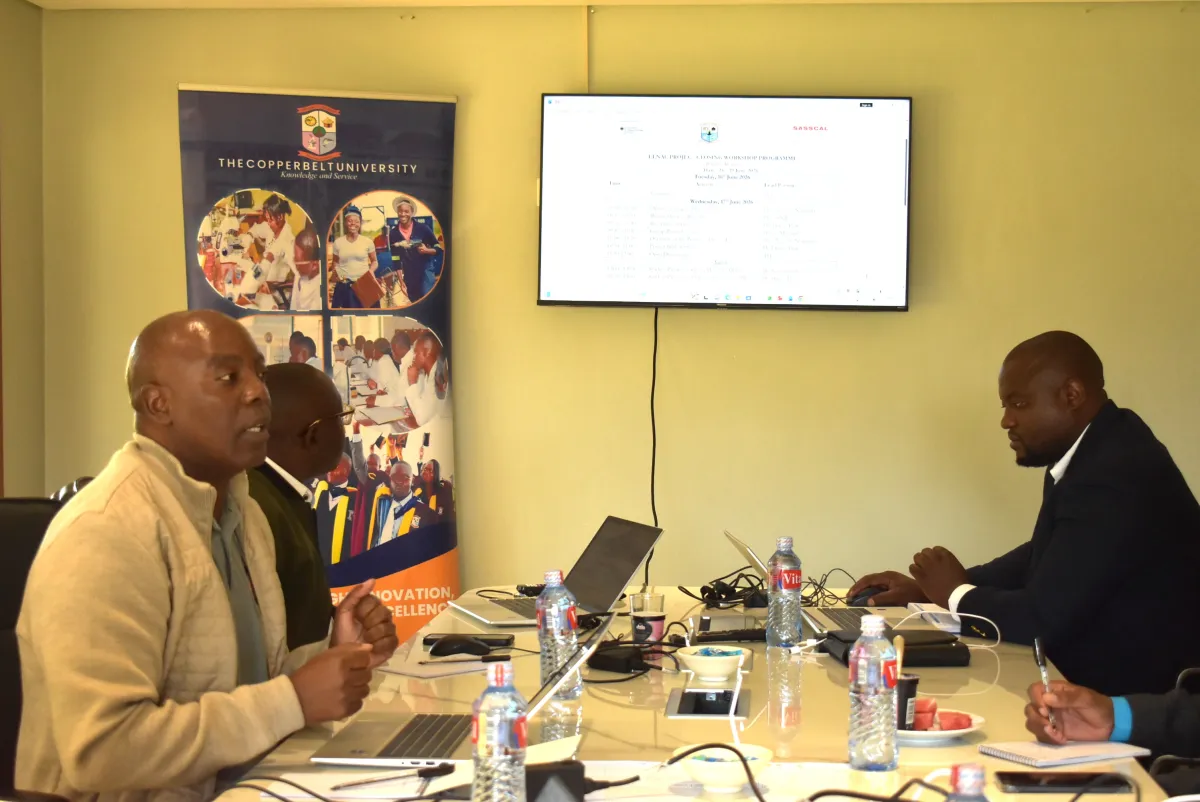
Speaking during the closing workshop, Dean of the School of Natural Resources, Dr. Benjamin Mubemba, commended the project team for the successful implementation of the initiative and the impact it has had on the University and the community service areas.
Dr. Mubemba said the project has enhanced the CBU’s visibility and standing among international cooperating partners and funding institutions, while strengthening its reputation as a research-intensive university capable of addressing pressing environmental and climate change challenges.
Presenting the project overview, Principal Investigator Professor Vincent Nyirenda said ELNAC is part of the broader SASSCAL regional programme, which promotes scientific research and innovation in areas such as agriculture, energy, water, environment, and waste management across Southern Africa.
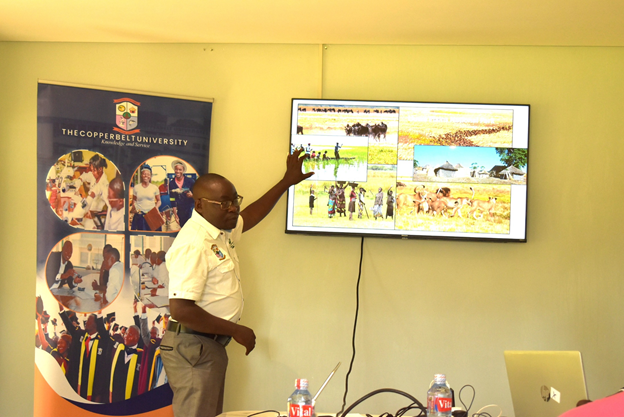
Professor Nyirenda explained that the project, which commenced in October 2022, focused on enhancing livelihoods and promoting sustainable natural resource management in the face of climate change. Research activities were conducted in the Simalaha Community Conservancy and Liuwa Plain National Park in Western Province.
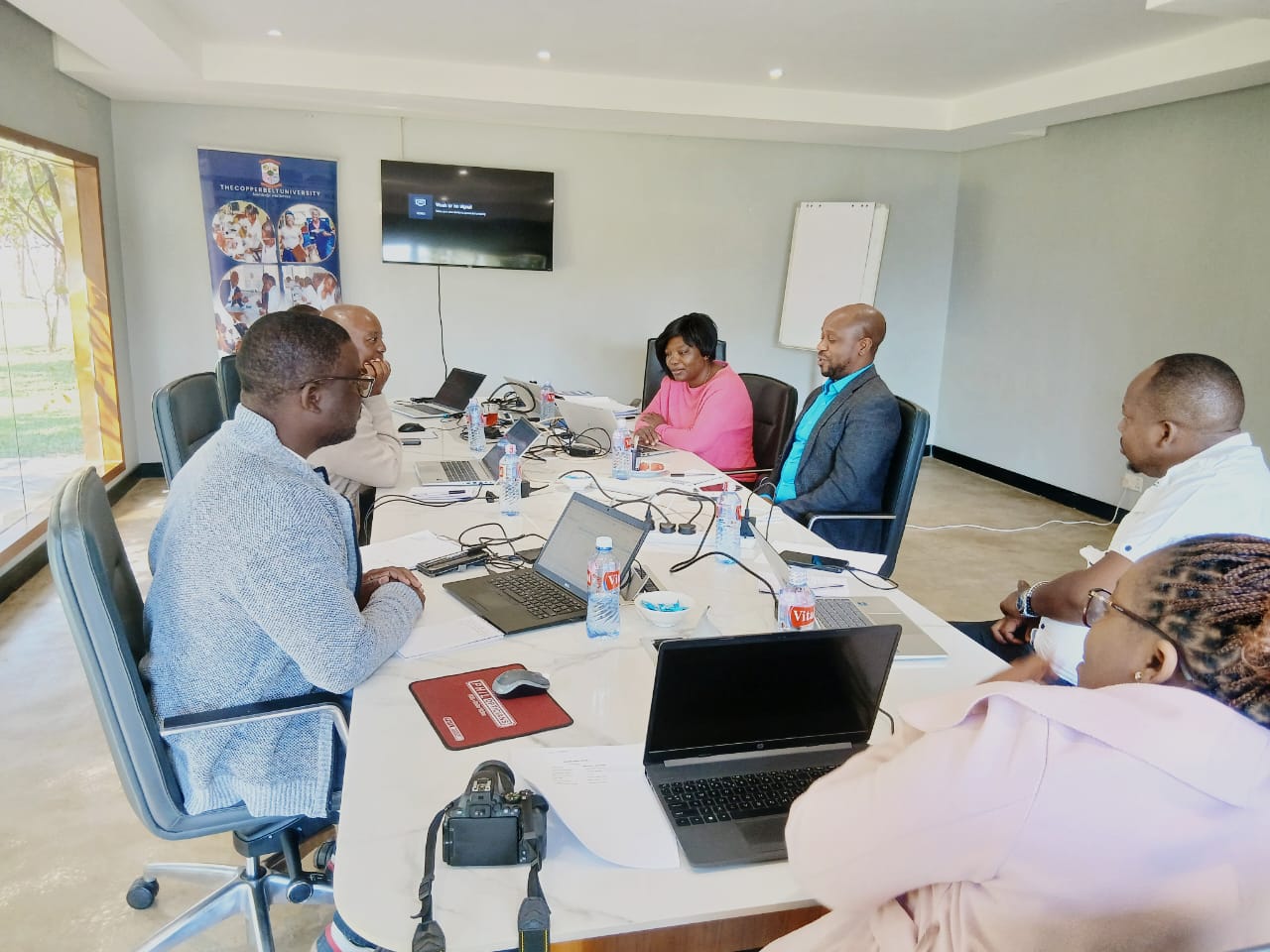
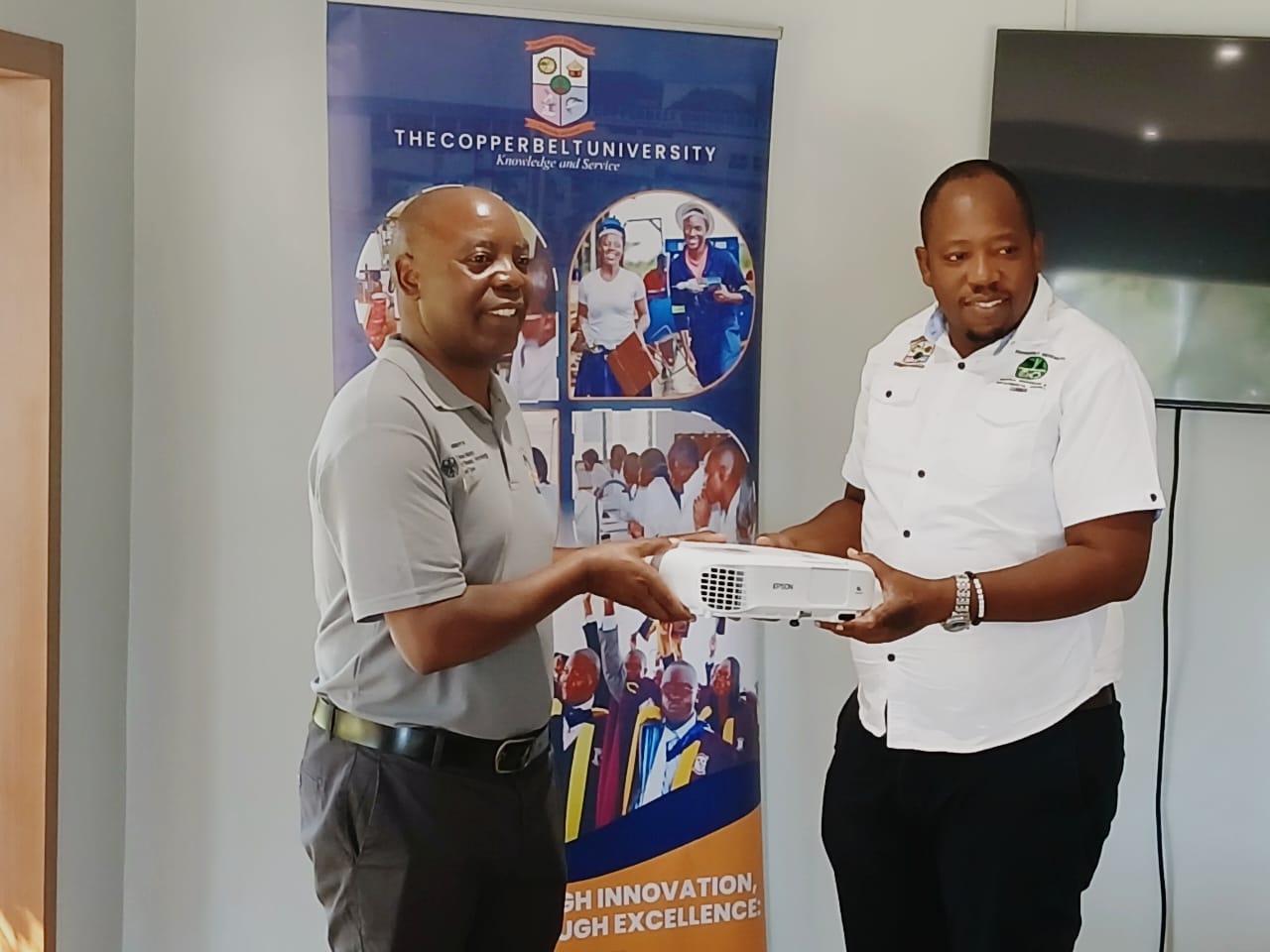
Among its notable achievements, the project supported the training of three students and strengthened research capacity within the School of Natural Resources, and facilitated the acquisition of research equipment that will continue to support teaching, learning, and scientific research at the University. The project also produced 3 scientific manuscripts, while 2 policy briefs were developed to inform policy and decision-making processes.
The project also conducted field studies on forest recovery dynamics using remote sensing technologies within the Kavango-Zambezi (KAZA) Transfrontier Conservation Area.
The successful completion of the €173,000 project marks another milestone for the University in its pursuit of excellence in research, innovation, and community engagement. It also reinforces the University's growing role as a leading centre for climate change research and sustainable natural resource management in Zambia and the Southern African region.